
Sony A7 Review in 2026: Is the Original Still Worth Buying Used?
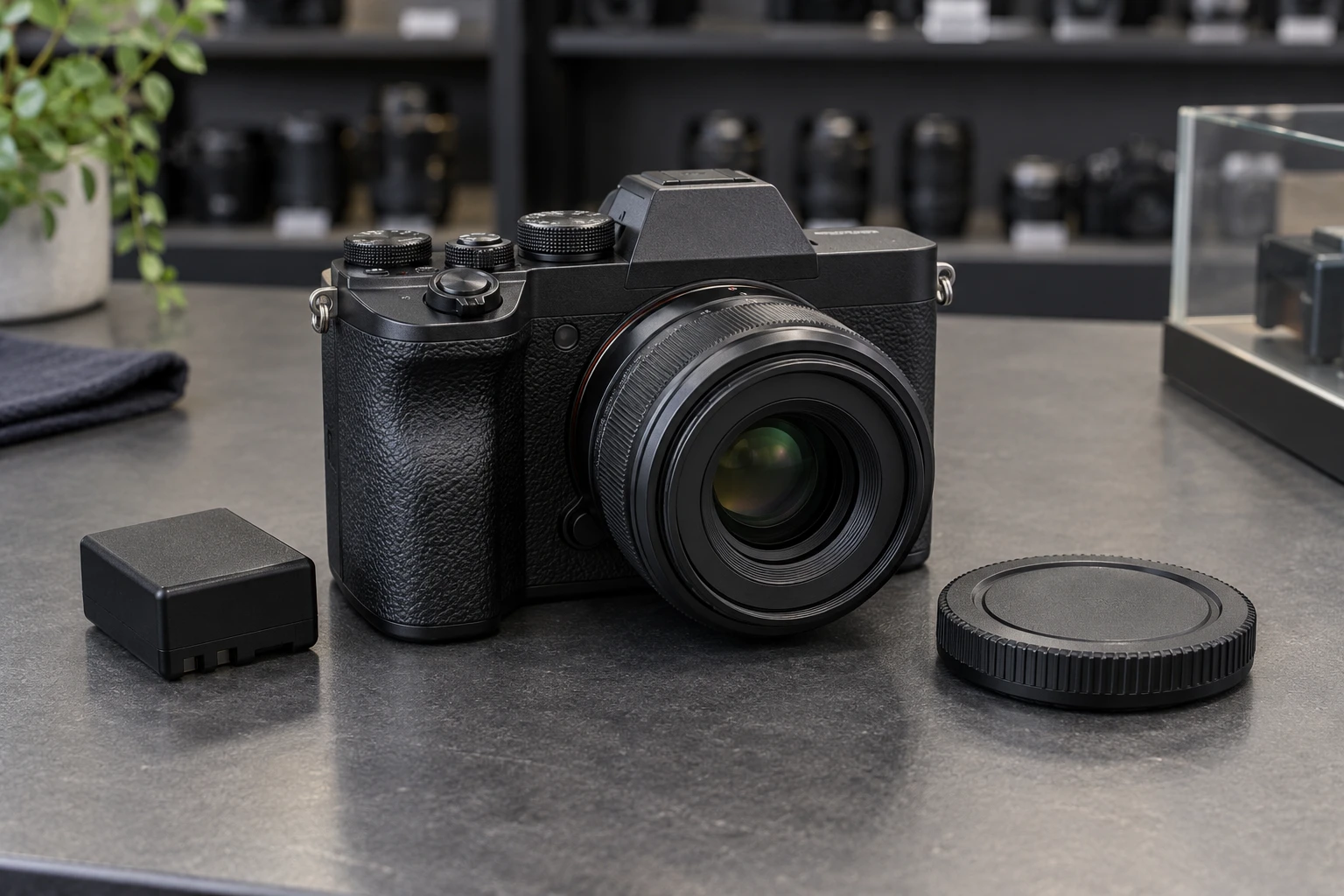
The original Sony A7, model ILCE-7, helped make compact full-frame mirrorless cameras practical. Its 24.3-megapixel full-frame sensor, E mount, 2.36-million-dot viewfinder, tilting screen, and 14.7-ounce body remain capable for deliberate still photography. It is also a 2013-era camera with no in-body stabilization, older autofocus, an NP-FW50 battery, and limited video features by current standards.
Our recommended shortlist
Compare condition, included batteries, shutter operation, seller warranty, and return terms rather than choosing only by the lowest price.
An earlier full-frame mirrorless option when you specifically enjoy the original A7’s simpler generation of controls.
Find in Amazon (paid link)
Sony’s current Alpha 7 V is a major generational step in autofocus, stabilization, speed, battery system, and video, but at a much higher price.
A newer A7 direction when you want to build a full-frame photography-and-video kit.
Find in Amazon (paid link)
What the original A7 still does well
At base and moderate ISO, the 24.3-megapixel sensor can produce detailed RAW files with pleasing full-frame depth control. The electronic viewfinder previews exposure, the screen tilts for low and high angles, and the small body travels easily with compact primes. Sony’s broad full-frame E-mount lens catalog gives the body many native choices.
Where its age is obvious
Autofocus tracking, face and eye behavior, startup, menus, wireless workflow, battery endurance, shutter refinement, and video are behind current bodies. Sony rated still-image battery life at up to 340 shots, but an old battery may deliver much less. The body has no sensor-shift stabilization, so unstabilized lenses require more careful shutter speeds.
Image quality versus current cameras
A well-exposed A7 file can still print large and serve portraits, landscapes, travel, products, and adapted manual lenses. Newer cameras improve hit rate, high-ISO processing, color workflow, dynamic behavior in difficult situations, and stabilization. The difference is often fewer missed moments and easier operation rather than every daylight photograph looking dramatically sharper.
Lens choice can overwhelm the body
Large modern zooms make the small grip feel front-heavy and can cost many times the body. Compact primes and the FE 28–70mm kit zoom suit the original concept better. Confirm full-frame FE coverage; APS-C E lenses will crop the image or leave dark corners. Adapted lenses may lose autofocus speed or features.
How to inspect a used A7
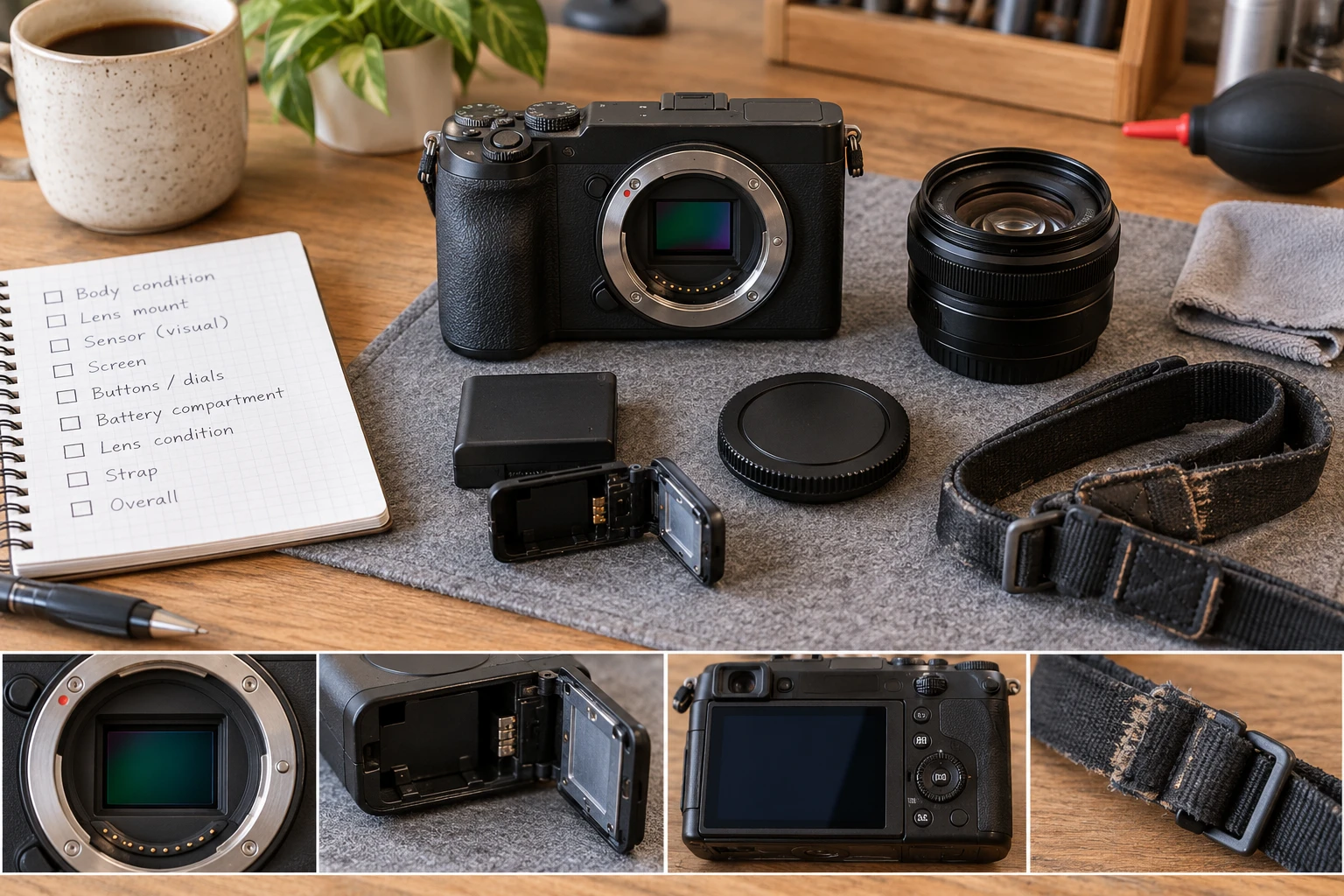
For used equipment, ask for clear photographs of the sensor or glass, mount, screen, battery compartment, card slot, and exterior. Test every dial, button, port, autofocus mode, and card slot. Look for impact damage, moisture signs, fungus, haze, separation, deep scratches, or excessive dust. A reputable dealer warranty can be worth more than the lowest private-sale price.
Check shutter and battery behavior
Make RAW and JPEG frames at several shutter speeds, test continuous shooting, inspect files for banding or exposure inconsistency, and listen for abnormal mechanical sounds. Confirm the battery door, card slot, USB port, hot shoe, EVF sensor, screen hinge, and control wheels. Budget for a reputable replacement battery and charger if the included pack is weak.
Who should buy it
The A7 can suit a budget-conscious still photographer who accepts a slower pace, uses compact lenses, and buys from a seller with a return period. It is less suitable for fast children, sports, birds in flight, serious video, one-handed operation with heavy lenses, or anyone who expects current smartphone-like connection and subject recognition.
Alternatives worth comparing
A newer used A7 II adds in-body stabilization but retains an older battery and autofocus generation. The A7 III is a much larger practical step in battery life, autofocus, controls, and general responsiveness. Sony’s current Alpha 7 V moves far beyond the original with a 33-megapixel partially stacked sensor, modern subject recognition, stabilization, and much stronger hybrid performance. Current APS-C bodies may also outperform the original A7 for action while producing smaller, less expensive kits.
How we evaluated the options
Our selection process starts with the photographer’s actual use: subject, lighting, carrying tolerance, existing lenses, and willingness to learn controls. We then compare the features that change the result in that use case, rather than counting every menu item. Image quality matters, but autofocus behavior, viewfinder comfort, control layout, battery planning, and lens availability often decide whether a camera remains enjoyable after the first week.
Verify the exact listing
Prices, bundles, firmware, and availability change. Treat the links in this guide as a way to compare current listings, then verify the manufacturer specification page, included accessories, warranty source, seller, and return policy. Marketplace titles can mix generations or mounts. The product box, model number, and mount marking should agree before the return window closes.
Write down the intended use before comparing listings. Include the subject, typical light, longest comfortable carrying time, and the feature that would solve the largest current frustration. This short note makes it easier to ignore attractive specifications that do not improve the photographs you actually want to make.
Plan a first-week test while the return period is open. Photograph a familiar indoor subject, an outdoor scene, a moving person or pet, and the closest subject the equipment is meant to handle. Review the files on a larger screen, repeat any weak result, and separate technique problems from equipment limits.
Keep the setup understandable. Add one accessory or control change at a time, label batteries and chargers, format cards only after files are backed up, and store the manual where it can be found. A dependable routine protects equipment and makes it much easier to notice when a new setting causes an unexpected result.
Final recommendation
Buy the original A7 only when condition and price leave room for a good lens, batteries, and possible service. Its sensor remains capable; its operating experience is the compromise. For deliberate photography it can be rewarding, but a bargain body stops being a bargain when missed focus, weak batteries, or an expensive oversized lens makes the kit frustrating.
Affiliate disclosure: As an Amazon Associate, Digital Camera HQ may earn from qualifying purchases. Prices and availability change. Product links use the site tracking tag digitalcamera-hd-20.