
What changed in this update
A discontinued pocket camera evaluated for condition, batteries, cards, image character, and realistic alternatives. The original address and publication history remain intact, while outdated recommendations have been replaced with a current decision process. Product generations, software features, pricing, and support continue to change, so verify the exact option and terms before committing files or money.
A good photography workflow should be understandable, repeatable, and easy to reverse. It should preserve the original image, reduce routine work, and make the final result more consistent. The sections below explain how to compare choices without treating a preset, product name, or marketing claim as a substitute for testing.
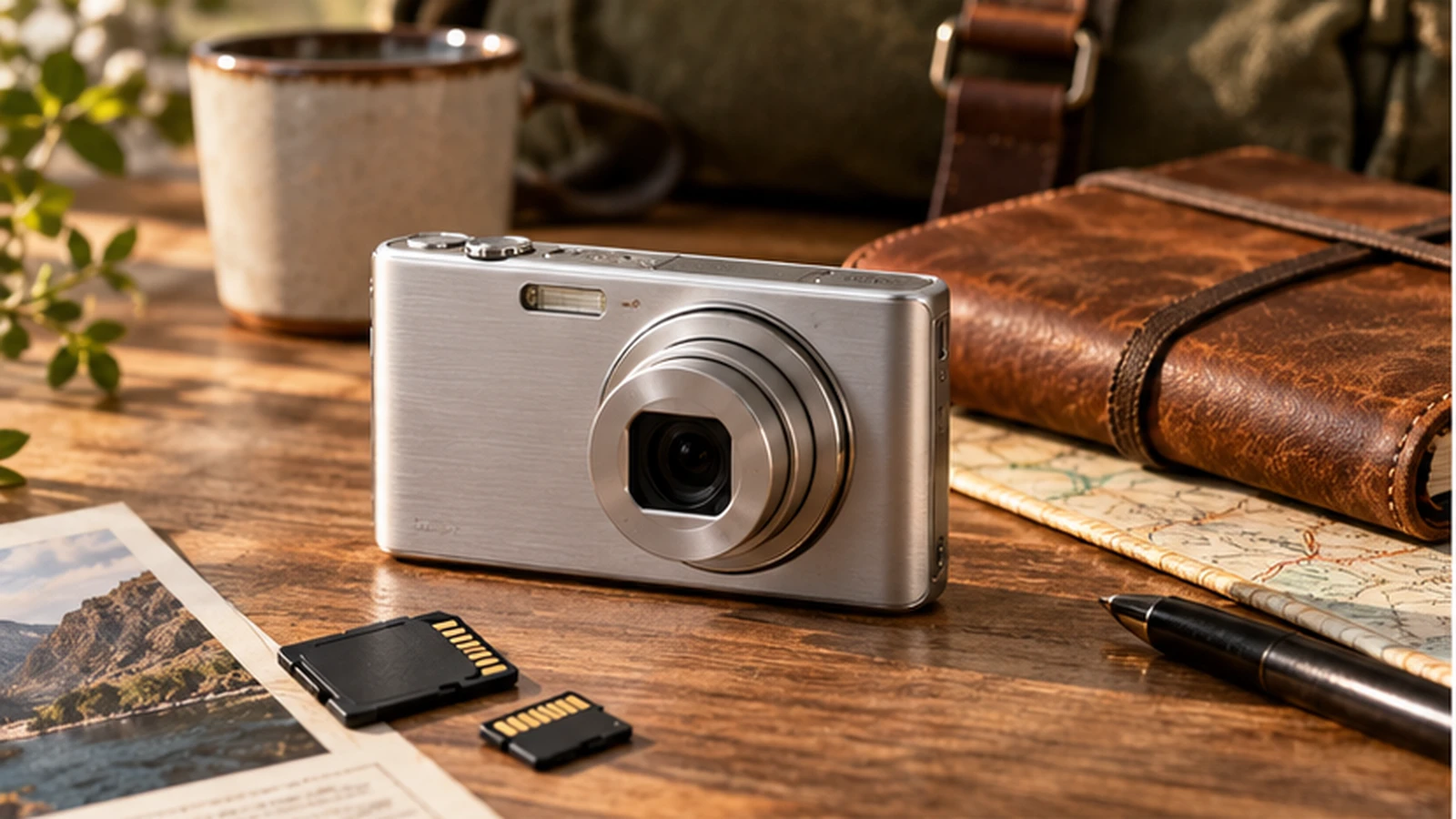
Kodak EasyShare M583 is a used-market purchase. Confirm that the camera powers on, writes and reads a supported card, focuses, flashes, charges, prints if applicable, and produces clean files. Old batteries, proprietary cables, sticky rollers, dried print media, damaged doors, and unsupported companion apps can turn a low price into a poor value. Buy only with clear item photographs and a practical return period.
Kodak PIXPRO C1
Kodak PIXPRO C1 represents a supported alternative to the discontinued product in this review. Compare capture format, focus method, film or paper cost, charging, companion-app requirements, print permanence, carried size, and the availability of consumables. Confirm the complete product name because marketplace pages can combine older generations, bundles, used units, and imported versions under similar photographs.
Kodak PIXPRO FZ55
Kodak PIXPRO FZ55 represents a supported alternative to the discontinued product in this review. Compare capture format, focus method, film or paper cost, charging, companion-app requirements, print permanence, carried size, and the availability of consumables. Confirm the complete product name because marketplace pages can combine older generations, bundles, used units, and imported versions under similar photographs.
Kodak PIXPRO WPZ2
Kodak PIXPRO WPZ2 represents a supported alternative to the discontinued product in this review. Compare capture format, focus method, film or paper cost, charging, companion-app requirements, print permanence, carried size, and the availability of consumables. Confirm the complete product name because marketplace pages can combine older generations, bundles, used units, and imported versions under similar photographs.
Test the complete working path
Use the exact cable, card, paper, film, computer, and application required for the job. Capture, transfer, edit, export, and reopen a file or print before the return period ends. This exposes missing accessories and unsupported connections that a simple power-on check will not reveal.
Start with the outcome
Describe the finished photograph and delivery requirement before choosing a camera, display, application, or preset. Note the subject, available light, number of files, deadline, output size, and whether the work must match a client reference or a previous collection. This prevents a fashionable tool from dictating the result. Build a short repeatable workflow, then change one variable at a time so you can see which adjustment actually improves the file.
Test on representative files
Never judge a workflow from one ideal image. Use bright and dark scenes, several skin tones, saturated colors, fine texture, high ISO files, and photographs from each camera you regularly use. Compare the edited version with the unedited RAW file and inspect the edited image at normal viewing size as well as close up. A useful preset or application should save time across a group while leaving room for exposure, white balance, cropping, and local corrections.
Protect color and detail
Set exposure and white balance before making a strong style decision. Watch the histogram, highlight clipping, blocked shadows, halos, excessive clarity, banding, and unnatural skin. Soft-proof when the destination matters and export in the color space requested by the lab, client, or platform. Presets are starting points, not quality guarantees. Their settings can react differently to camera profiles, lenses, lighting, and RAW converters.
Keep the workflow reversible
Retain the original files, use nondestructive edits where possible, and save a version before major changes. Keep catalogs, sidecars, preset installers, licenses, and export recipes backed up with the photographs. A local copy plus an off-site copy gives better protection than trusting one computer or one synchronized folder. Periodically restore a sample so the backup process is tested rather than merely assumed.
Evaluate cost and support
Compare the complete cost, including storage, calibration hardware, subscriptions, upgrades, training, plug-ins, and time spent migrating. Confirm operating-system support, RAW compatibility for current cameras, export limits, ownership of uploaded files, privacy terms, and cancellation or data-export rules. A less expensive tool can be a poor value if it breaks the catalog, reduces output quality, or adds manual steps to every job.
Use a controlled comparison
Apply the candidate workflow to duplicate virtual copies, synchronize only the intended settings, and review images in a consistent room. Check a calibrated display when color decisions affect printing or paid delivery. Record what the preset or tool changed and why. Keep only the options that solve a recurring problem. Removing near-duplicates makes editing faster and makes a personal style easier to maintain.
A practical evaluation sequence
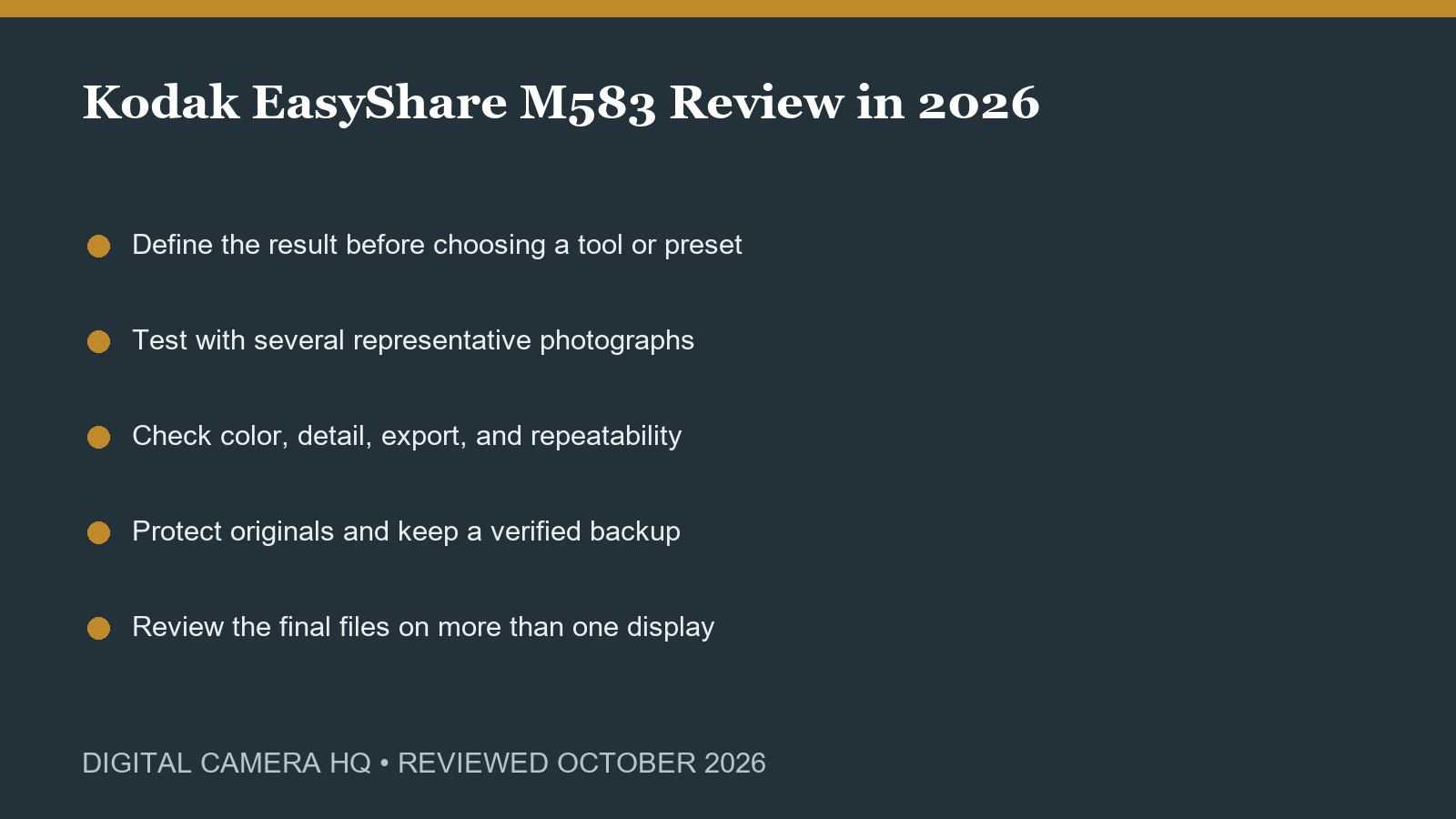
Make two or three candidates perform the same small job. Time the process, inspect the exported files, and note any missing metadata, color shifts, crashes, or manual corrections. For hardware, test every control and included accessory during the return window. For software, export originals, edits, and metadata before a trial ends. For presets, lower the amount or remove settings that should remain image-specific. The winner is the option that produces dependable files with the fewest hidden compromises.
Models in this guide
A dedicated zoom-camera option when one built-in lens is more appealing than carrying an interchangeable-lens kit.
Find in Amazon (paid link)
A small fixed-lens option when you’d rather carry one simple camera than build a lens kit.
Find in Amazon (paid link)
A pocket-camera direction when you prefer a dedicated compact to using your phone for every photograph.
Find in Amazon (paid link)
A rugged compact direction when you want a dedicated camera for suitable outdoor outings.
Find in Amazon (paid link)
Official sources and review notes
- Kodak PIXPRO current camera catalog
Official resources were checked during the October 2026 refresh. Discontinued hardware is clearly treated as used equipment, and current software guidance is based on present documentation rather than the former 2022 feature set.
Final recommendation
Choose a supported workflow that fits the files you make repeatedly and that lets you leave with your originals, edits, and exports intact. Keep the number of tools and presets small enough to understand. Recheck color, storage, licensing, and recovery after major operating-system, camera, or application changes. Reliable habits protect more photographs than a long list of fashionable products.